Latest stories

  • in

    The South African Police Service and the Public Order War
    Has the remilitarisation of the police led to an attitude of seeing public order maintenance as a form of warfare?

    By Christopher McMichael

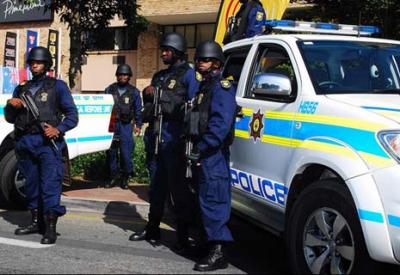
    South Africa police patrol the streets of Johannesburg. Photograph by Werner Vermaak.

    Grahamstown, South Africa:

    In early 2010, the South African Police Service (SAPS) began a formal process of remilitarisation. At the time this was depicted as a necessary project of reasserting ‘command and control’ and ‘discipline’ within the service to better enable the police to fight violent criminals.

    However, in the last two years the SAPS has become more associated with a war on the wider public. The Independent Police Investigations Directorate has seen a substantial increase of deaths in police custody and reports of abuse and torture by officers. Last year, the killing of protester Andries Tatane brought national attention to the increased lethality of police crowd control tactics. In the province of KwaZulu-Natal this year alone, there has already been the trial of the Cato Manor Organised Crime Unit for extrajudicial killings and the shooting of unarmed demonstrators in Umlazi.

    The cumulative effect is to suggest that the SAPS is reverting back to its apartheid role as the brute enforcer of state power.

    Last resort or matter of course?

    This appears to have reached a new nadir in the killing of 34 miners at the Lonmin Mine in Marikana on August 16. By the time of the shootings, the strike had already led to fatalities with ten people, including two policemen, dying in clashes between members of the government-affiliated National Union of Mineworkers (NUM) and the breakaway Association of Mineworkers and Construction Union (AMCU).

    The SAPS have maintained that the shootings only happened after the strikers refused to peacefully dissemble and that lethal force was approved as a last resort as armed strikers attempted to swarm police lines. This has been reiterated by President Jacob Zuma and much of the South African media which has presented the killings as an unavoidable tragedy in which law enforcement was forced to take deplorable measures. Despite this and despite the fact the national police command acknowledged that its officers killed the strikers, the National Prosecuting Authority originally charged the arrested miners with the murder of their colleagues, only dropping the charges and beginning to release the workers today.

    Against the narrative of the police using force only as a last resort, however, a growing body of evidence suggests that rather than being an act of self-defence, the killings were part of a premeditated plan to stop the strike. Interviews with miners point to the police using barbed wire to ‘kettle’ the strikers, who were then hunted down and shot as they attempted to escape from police gunfire and teargas, while wounded survivors were run over by armoured vehicles. Additionally, allegations have emerged which suggest that the autopsies of the dead prove that most were killed while fleeing. There is also recent evidence, found by The Daily Maverick, that 14 of the miners may have been murdered by police 300 metres away from the main site of the clashes at close range and with little sign of struggle. Furthermore, evidence of systematic police torture against detained strikers in the last week hardly portrays the SAPS as an institution which only uses violence as a last resort.

    According to an official statement from the National Education, Health, and Allied Workers’ Union, “Our police service has adopted and perfected the apartheid tactics and the militarisation of the service, and encouraged the use of force to resolve disputes and conflicts…. all police officers who deal with protests must be taught…disciplined ways of controlling…the protesters because we cannot afford to have a police force that is slaughtering protesters in the new dispensation.”

    Echoing this sentiment, security analysts described the shootings as the product of a poor training regime in which public order expertise has been replaced by a focus on maximum force and crime-fighting. Instead of using specialised forms of containment and negotiation, police take the combative stance of aggressively breaking up gatherings and demonstrations. In one particularly bizarre intervention, the former commander of an apartheid riot squad claimed that the police should have used the ‘less’ confrontational tactic of “popping” individual miners with snipers.

    Friends and foes

    However, in focusing exclusively on the issues of tactics and training, many of the commentaries portray the police as an apolitical organisation whose role is simply to adjudicate in social disputes and who can be made less violent by the correct technocratic fixes. As Jane Duncan argues, this ignores the role of the SAPS as an intrinsically political institution which is in the business of “suppressing dissenting voices, especially (but not exclusively) those outside the [ruling] ANC-SACP-COSATU [African National Congress-South Africa Communist Party-Congress of South African Trade Unions] alliance. The problem predates the remilitarisation of the police, although remilitarisation has undoubtedly intensified it.”

    These tactics have ranged from ‘invisible’ forms of repression such as abuse of the legal system to deny permits to demonstrate and heightened surveillance, all the way to the use of live ammunition and torture. This starkly contrasts with how the police treat protests organised from within the governing tripartite alliance. Public disturbances and violence at COSATU and ANC strikes and marches are for the most part treated with kid gloves. A recent strike by Metro Police in Durban, in which officers blockaded roads, assaulted motorists and allegedly threatened to “burn down” the city hall, for example, was met only with warnings of disciplinary action.

    However, the authoritarian response to political movements which attempt to organise outside the state is not exclusive to the ANC. The Democratic Alliance party (DA) has exhibited comparable tactics in its governance of the Western Cape, ranging from the violence which accompanied its attempts to evict residents from Hangburg to the almost farcically draconian clampdown of the small “Take back the commons” event in Cape Town.

    A war on the poor?

    This violence against political dissent can be considered as a front in what many independent social movements are calling the “war on the poor” in which the police, often aided by South Africa’s sprawling private security sector, “are here to drive the poor out of the cities, contain us in the human dumping grounds and repress our struggles.”

    In many respects, this repression appears to repeat the work of colonial and apartheid authorities under a new guise. For instance, the Lonmin massacre joins many other historical incidents of the state using force to protect the property and power of South Africa’s mining sector. But while interpreting the recent upsurge in state violence through these historical continuities is inevitable given the horrors of South Africa’s recent past, the remilitarisation of law enforcement has taken place under a very different context than the police state of the apartheid decades.

    South Africa is now formally a constitutional democracy even though, as the ‘war on the poor’ demonstrates, the enjoyment of these rights is still circumscribed by class and race. And whereas aggressive crowd control in the apartheid years was the response of a white supremacist state trying to crush insurrection, state violence today emerges from a democratically-elected government attempting to contain localised community protests and revolts. But, like their apartheid predecessors, state officials often rely on paranoid claims about mysterious ‘forces’ provoking violence rather than acknowledging it as the result of frustration around South Africa’s obscene levels of inequality, the failure of government to deliver meaningful socio-economic emancipation to the country’s poor and black majority, and the arrogance and cruelty of the state and big business.

    The enemy within

    The militarisation of police therefore is not about mobilising to win a protracted war against a specific enemy but is reflective of transnationally-floating concepts of ‘asymmetric war’ in which state forces engage in ‘low-intensity’ ( but still very violent) conflicts with a range of non-state actors from ‘terrorists’ and armed gangs to ‘insurgent’ publics.

    This is undergirded by a belief in the tactical interchangeability between fighting a war and domestic policing. The last few years has seen increased integration between the police and the South Africa National Defence Force (SANDF), which has included joint ‘security operations’ and the exchange of equipment. Within the SAPS itself, there has been a focus upon training up paramilitary SWAT-type units which bridge the gap between police and military functions. Two of these units, the Special Task Force and the Tactical Response Team, were on site at Lonmin. The Special Task Force predates the remilitarisation of the police and is considered one of the most elite special units in the world and has conducted training missions with the Special Operations Command of the US military. However, they are trained for hostage and terrorist situations, not crowd dispersal or control. It is notable that miners mistook them for soldiers due to their uniforms.

    By contrast, the Tactical Response Teams, which are assigned to precincts throughout the country and which are recognisable by their berets, are trained for both urban and rural combat and ‘advanced crowd management’. These units were intended to be a flagship for the remilitarisation of the SAPS and to simultaneously “hunt down criminals” and maintain public order. However, the various teams have gained a reputation for abusive force. Video evidence captured the Gauteng Tactical Response Team engaged in a military-style campaign after civil unrest in a township near Johannesburg, including torture and door-to-door raids, while the media acquired CCTV footage of response team members attacking bar patrons in the city. The Mpumalanga division has also faced a lawsuit for allegations of severe brutality.

    While the government’s militarisation of the service has been presented as a response to the dangers posed by armed criminals and terrorists, the evidence suggests that such units are designed to be rapidly targeted inward.

    Keeping the order

    National Police Minster Mthethwa has suggested that because of historically-rooted “sensitivities”, South Africa’s population are too sceptical of the police’s ability to implement crowd control with ‘‘the human touch”. He says: “People criticise us for using water cannons. We have introduced those techniques because that’s not your maximum force. But you’ll hear people criticising that, saying these things were used under apartheid”.

    Conscious of the publicity fallout from Marikana, the state has gone into public relations overdrive and attempted to create a narrative which exonerates and legitimates the actions of the police, partly through presenting the miners as a deranged mob. But there is little indication that the massacre will cause a rethink on the project of treating ‘public order’ as a new form of warfare.
  • in

    Sexual Violence in the DRC: What Good is the Dodd-Frank Act?

    Legislation to regulate mining in the DRC may be a step in the right direction, but many problems remain.

    By Carol Mann, Alphonse Maindo

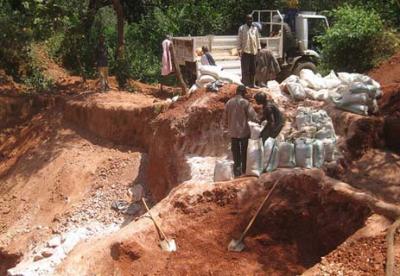
    A tantalite mine in the DRC. Photograph by the Responsible Sourcing Network.

    The pervasive militarism, prevalent sexual violence and vast mineral wealth in the Democratic Republic of the Congo (DRC) are linked.

    It was with this in mind that, on August 22, the Securities and Exchange Commission (SEC) – the body which regulates the securities industry and markets in the United States – adopted the Dodd-Frank Wall Street reform act. The act requires public companies to disclose whether minerals used in their products originate from the DRC or any adjoining country.

    Expanding on the original law passed in 2010 and known in the DRC as the ‘Loi Obama’, companies must now take greater measures of due diligence and monitor every step of transactions to ensure transparency and accountability.

    But while these measures are a step in the right direction, progress is slow, gaping loopholes remain, and the nexus between violence (in particular sexual violence) and the global economy remains insufficiently explored.

    Mineral wealth and sexual violence

    For decades, mineral smuggling has been a way of sponsoring guerrilla wars in the region, and the aim of the law is to ensure that all public companies trading in these commodities make sure that their business does not benefit warlords in the region, particularly in the eastern DRC.

    One of the main drivers behind the legislation is widespread sexual violence and rape in the region.

    In August 2009, US Secretary of State Hillary Clinton, for example, highlighted the link between armed conflict, sexual violence, and minerals when she visited eastern Congo, and Margot Wallstrom, the UN’s special representative on sexual violence in conflict, famously referred to the DRC as “the rape capital of the world”.

    Yet in many reports and in much work done on rape prevention, the economic background underpinnings of the region are rarely referenced.

    Oxfam, for example, called on the Congolese government and the international community to “increase provision of medical care for survivors of sexual, violence, ensure that the protection provided by the UN peacekeepers and Congolese security services is tailored to local realities and to reform the Congolese security sector and justice system”. In a similar vein, UK Foreign Secretary William Hague’s commission aimed to tackle sexual violence by setting up a team of experts using the “skills of doctors, lawyers, police, psychologists, forensic specialists and experts in the care and protection of victims and witnesses”.

    Such recommendations, although crucial and of value, do not take into consideration deeper dynamics. These proposals fail to address the fact that behind the warlords’ activities lies a complex political and economic situation in which global market interests are at stake. Additionally, it must be noted that, more often than not, companies do not have private armies and depend on local militias to access mines and even organise their exploitation.

    In this context, mass rape has been used increasingly as a form of terror in mining zones, employed in ways to facilitate armed militias gaining access to and maintaining control over priceless resources. Indeed, prevalence of rape seems to be correlated to the presence of mines. According to Venantie Bisimwa, a women’s rights activist from Bukavu, “rape is the most economical form of violence against a community: families are instantaneously destroyed”.

    A step in the right direction

    To address this, industry has started trying to regulate the trade underlying the prevalence of sexual violence in the region. The International Tin Supply Chain Initiative (ITSCI) has been working on increasing transparency in accordance with Organisation for Economic Cooperation and Development’s (OECD) rulings and, according to the most recent Enough Project report, a number of companies have started to take measures limiting the use of conflict minerals.

    The Frank-Dodd law originally came about as a result of campaigning by groups such as Human Rights Watch, the Enough Project and Global Witness, and since the passing of the law in 2010, companies with registered trading houses have officially adopted the appropriate due diligence measures. But the act has not been a silver bullet.

    Chinese-owned businesses are not subject to the law and do not yet follow the Frank-Dodd requirements. To fully address the issue of conflict minerals, this blind spot will have to be examined. The act has also been criticised for placing the onus on companies and thus removing responsibility from the Congolese government even though corrupt government officials and groups linked to the Congolese army (FARDC) have played a significant part in controlling mines. Greater research into the identity of individual armed groups, their national and international partners and their mode of functioning would be necessary to make the law truly effective.

    Other criticisms address the virtual embargo on minerals from the region that has followed the act, the gradual closing down of mines, and the loss of work for countless Congolese workmen and local communities.

    Furthermore, there is evidence that mineral-smuggling from the DRC to Rwanda, Uganda and Burundi has increased. Rwanda, which has relatively few mines to speak of, is one the region’s main exporters, and exports from there have gone up since the application of the Dodd-Frank act. The Great Lakes region will be under great scrutiny following the reform act, but routes that send minerals to China and elsewhere will also require greater monitoring, especially as some companies are thought to employ circuitous routes through Asia where the components are made up.

    While a promising start, the Dodd-Frank act has considerable practical shortcomings and insufficiently addresses the complex nexus of the global economy and local militarism, abuse and rape. Along with tackling these weaknesses, however, a number of other things are also urgently needed to complement industry efforts. Aid agencies, for example, must cooperate and coordinate to provide a holistic and coherent approach in the fight against sexual violence and the trade of conflict materials, while greater security must be ensured in the region. One preliminary step in this difficult and long-term task could be to map resource mines against cases of rape to see how and where they coincide, and to further highlight the link between the two.

  • in

    Mozambique: Asian Business Protests at Kidnaps Likely

    With government pledges to tackle kidnapping unlikely to be effective, strikes and demonstrations by Asian business people looks probable.

    By Exclusive Analysis

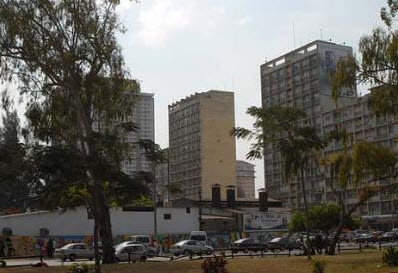
    Maputo, Mozambique. Photograph by F Mira.

    Business closures pose a risk of violence in Maputo, Nampula and Inhambane

    On August 26, leaders of the Islamic Community of Mozambique announced they would delay their threat of business closures following a meeting with President Armando Guebuza, opting instead for a peaceful march on September1.

    The Islamic Community is protesting against perceived government inaction over a recent increase in kidnappings targeted at Asian business people. However, the government’s pledge to take action to stop the kidnappings is unlikely to have an effect, with risk of violent unrest and business disruption in central Maputo as well as other cities with large Asian communities such as Nampula and Inhambane.

    Since early 2012, there have been at least 25 kidnappings for ransom and killings of Muslim businesspeople. On June 6, the owner of an exchange office in Maputo was shot and killed by unknown gunmen using an AK-47. On July 27, another businessman was kidnapped by armed men on Maputo’s Avenida Ho Chi-Minh. The Muslim, Ismaili and Hindu communities, many of which are of Asian origin, claim that the criminals benefit from the protection of a largely corrupt police force.

    In response, the Islamic Community has threatened to stage peaceful demonstrations and close shops. The roughly 40,000 Asian Mozambicans have a disproportionately strong economic influence. Closure of their businesses would be likely to cause food and cash shortages since Asians own many bakeries, shopping malls, and pharmacies, as well as exchange offices and import companies. They have also threatened electoral boycotts. While these are unlikely in the one-month outlook, protests, business closures and boycotts are likely in the three-month outlook if, as is expected, the anti-kidnapping measures prove ineffective.

    While demonstrations by Asians are likely to be mostly peaceful, any business closures would be likely to anger non-Muslims affected by the resulting food and cash shortages especially given existing resentment of Asian business success. Inflammatory rhetoric by the ruling party is also likely to exacerbate the situation with inter-communal violence turning into riots with a high risk of damage to property belonging to Asian-owned businesses and individuals caught up in the violence. Violence between Asian and non-Asian Mozambicans would be likely in Maputo (mainly central Baixa), Nampula and Inhambane. The police response to any violence against Asians is also likely to raise collateral risks to property and individuals in these cities.

  • in

    Beyond Mutharika: Confronting Malawi’s Aid Dependency

    With Joyce Banda in charge and with international donors returning, what are Malawi’s prospects for growth and stability?

    By Dominic Farrell

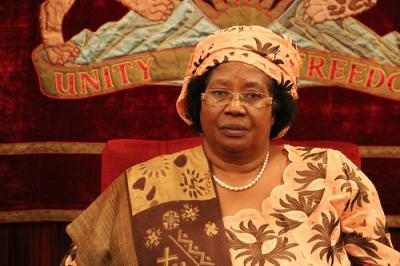
    President of Malawi Joyce Banda. Photograph by Lindsay Mgbor/UK Department for International Development.

    Malawi is a country emerging from an unexpected political change. President Bingu wa Mutharika, Malawi’s leader of eight years, died suddenly of a heart attack in April and the torch passed to his estranged vice-president Joyce Banda. One of two female leaders on the continent, Banda brought members of People’s Party, which she founded in 2011 after falling out with Mutharika, into government with her, resulting in a wholesale change at the top-level of Malawi’s politics.

    And alongside Banda, another party was also brought back into the fold: international donors. Bilateral aid had all but dried up in the face of an increasingly authoritarian President Mutharika. Concerns over human rights abuses concentrated aid into the hands of NGOs, if aid was continued at all. The expiration of the Malawi Growth and Development Strategy in 2011 ensured the end of bilateral aid to a government whose own designs and implementation of development schemes clashed with those of international donors.

    With the accession of Banda to the presidency, Malawi is again at the centre of international aid attention. Yet with the president wooing back foreign donors, who is really pulling the strings of Malawian politics?

    A force to be reckoned with

    Joyce Banda is a forceful personality. Her estrangement from Mutharika in recent years and the independent path that she has always followed, regardless of virulent criticism, demonstrates a strong will that transcends mere political expediency. Banda also has well-established development credentials; she instituted the National Association of Business Women in 1989, an NGO aimed at economically empowering women, and has founded various organisations which deal with women’s rights, female health and poverty.

    Banda symbolises a fresh brand of politics as was clear when she told the press that she is happy to be identified with the majority of Malawian women after the former first lady Callista Muthatrika’s dismissed her as a mere “mandasi seller”.

    Already in her short time as president, Banda has demonstrated a desire to break with the decisions of her predecessor. Actions such as the off-loading of the private presidential jet and fleet of luxury cars have been widely popular. Her focus on media freedom and rooting out corruption has been interpreted on the international stage as evidence of the sincerity of her focus on development. And decisions to overturn the ban on homosexuality and the refusal to hold the African Union summit rather than invite the International Criminal Court-indicted president of Sudan indicates that she is not afraid to incur displeasure.

    The manner in which President Banda has set about tackling Mutharika’s legacy in her first 100 days of office reveals independent political convictions.

    Between Charybdis and Scylla – aid dependency vs. sluggish growth

    Despite Banda’s dynamic vision for her country’s future, her administration currently has to rely upon foreign donors. Malawi is one of the world’s poorest economies; an estimated 75% of Malawians are living under the poverty line and the country’s population is expected to double to 26 million by 2030. Demand for Malawi’s principal exports of tobacco, tea, sugar and cotton has also been falling in recent years. Tobacco in particular has suffered due to a poor harvest and global campaigns to decrease tobacco consumption. Without international capital, Malawi has little hope of creating a sustainable economy.

    Malawi is therefore heavily dependent on foreign aid, and many of Banda’s recent policies are likely to have been made with at least one eye on donors. President Banda acknowledged herself that the decision to refuse the African Union summit was based partly on the reactions of international donors. Similarly, Banda’s devaluing of Malawi’s currency the kwacha – something Mutharika steadfastly refused to do, to the annoyance of donors who consequently reduced aid – was done at least in part to ensure International Monetary Fund (IMF) backing. Given Malawi’s weak trade sector, it is unlikely devaluation was implemented solely based on an appraisal of Malawi’s economic position.

    These policies have certainly been effective in drawing foreign aid back into Malawi. The UK has pledged £23 million ($36 million) for the stabilisation of the Malawi economy, and a further £10 million ($16 million) to boost healthcare. Meanwhile, the US has recently restored a $250 million assistance programme in the light of perceived good economic and political governance. Similarly, the IMF has granted $156.2 million under the Extended Credit Facility for the next three years.

    The rising sun

    Encouragingly, Malawi’s current situation under Banda appears to exhibit some of the characteristics of the Paris Declaration on Aid Effectiveness (2005). Although the declaration’s primary concern was to regulate and increase the effectiveness of aid, it also sought to synchronise the development channels of national governments with bilateral and multilateral donors. The convictions of President Banda and the aims of international donors appear to be broadly in alignment.

    Despite this, however, aid dependency is and will continue to be a critical issue for Malawi, and the Paris Declaration also aimed to see development driven by organic indigenous growth rather than simply through foreign gift packages.

    This is a problem for Malawi not only because dependency potentially inhibits political independence, but also because aid is not secured in perpetuity. As the IMF has recently warned Malawi, financial difficulties in donor countries has made it harder to justify aid, and the UK has already indicated its desire to see its relationship shift from aid to trade.

    Banda is trying to tackle this. In a speech given on May 18, Banda outlined her plan for economic development, emphasising three focal points: austerity and rigour at the governmental level to curb corruption and an inefficient bureaucracy; increasing agricultural productivity, including plans for genetically modified crops and a water development programme; and a commitment to women’s rights that encompasses the economic and political empowerment of women in Malawi. Some emphasis was also given to attracting foreign investment, particularly through the expansion of the tourism industry.

    Alone, this may not be enough. Some, for example, rightly argue that Malawi will also need to diversify its economy before it can be independent of aid. Nevertheless, Banda clearly has a vision of a stable and sustainable future. And with her at the helm, and with international backing once again, Malawi’s prospects for tackling the significant economic hurdles and difficult political challenges in its path seem more promising than they have for a while.

  • in

    Libya vs. The ICC: Stalemate over Saif and Senussi

    Libya insists on trying Saif and Senussi in national courts but have custody of neither. The ICC cannot give Libya the right try them.

    By Mark Kersten

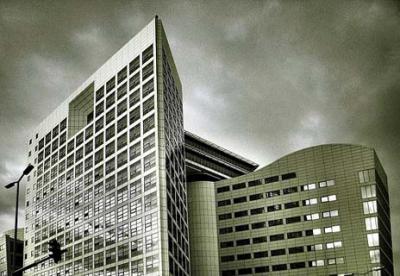
    The International Criminal Court in the Hague. Photograph by Josef Stuefer.

    The debate over who should try Saif al-Islam Gaddafi and Abdullah al-Senussi began even before the grisly demise of Colonel Muammar Gaddafi. In June 2011, Senussi, the former Libyan military intelligence chief, and Saif, Colonel Gaddafi’s son and one-time heir-apparent, were indicted by the International Criminal Court (ICC) for their alleged roles in crushing the Libyan uprising.

    Deciding where they are tried goes to the very heart of the ICC’s complementarity regime, wherein the court can only investigate and prosecute when a state is unable or unwilling to do so itself. This principle is premised on the belief that while it is best to deal with atrocities where victims and survivors live, states emerging from, or still mired in, violent political conflict often do not have the capacity or interest to investigate these crimes themselves. If this is deemed to be the case, the duty is transferred to the ICC.

    Libya’s admissibility challenge

    After four decades of autocratic rule under Gaddafi, many argue that Libya is unprepared and unable to legitimately, effectively, and impartially prosecute Saif or Senussi. Libya’s National Transitional Council (NTC), however, has claimed that both must be tried in Libya, under Libyan law, by Libyan judges. In May 2012, the NTC issued an admissibility challenge at the ICC in which it claimed that the ICC’s case against Saif and Senussi was “inadmissible on the grounds that its national judicial system is actively investigating Mr Gaddafi and Mr al-Senussi”. At the same time, in an effort to demonstrate that it was prepared for trial, Libyan authorities unveiled a refurbished courtroom in Tripoli as well as a luxurious prison complex on the outskirts of the capital where it was suggested that Saif would be held during his trial.

    Problematically, however, Libya still does not have custody over Saif or Senussi. Despite numerous declarations by the NTC that he would be transferred to Tripoli, Saif remains in the hands of the Zintan brigade that arrested him in November 2011, who have refused to surrender Saif to Libya’s national authorities. It is also widely believed that the Zintan militia used their custody of Saif as leverage to get local commander Osama al-Juwali appointed as Libya’s interim defence minister.

    More recently, the Zintan brigade has insisted that Saif be tried in Zintan rather than Tripoli. Libyan authorities appear to have conceded to this position as the chief Libyan prosecutor in Saif’s case, Milad Abdul-Nabi Dekali, confirmed that Colonel Gaddafi’s son would be tried in Zintan. Given the unwillingness of the Zintan brigade to cooperate with the NTC, it is far from clear that Libyan authorities themselves would be able to conduct the trial. The NTC handed power over to a newly elected national assembly on August 8, but it is unclear at this early stage whether this will make a difference to negotiations around the trials.

    Custody of the accused

    Senussi is even farther away from being transferred into Libyan custody. In March 2012, the former intelligence chief was arrested in a joint operation between French and Mauritanian authorities in Nouakchott, the Mauritanian capital, where he remains after the NTC failed to convince Mauritania to extradite him to Libya.

    One Mauritanian source suggested that Senussi’s transfer to Libya “looks like wishful thinking by the Libyans”. Meanwhile President Mohamed Ould Abdel Aziz of Mauritania declared that Senussi, Gaddafi’s “black box”, would not be extradited before facing charges of illegal entry in Mauritania.

    In short, it doesn’t appear that either Saif or Senussi will be in the custody of Libyan national authorities any time soon. And without effective custody of Saif or Senussi, the chances for Libya’s admissibility challenge are fundamentally undermined. Under the Rome Statute (Article 17(3)), judges must consider whether “the State is unable to obtain the accused”. Put simply, if the state in question does not have custody of the accused, then ICC judges cannot yield jurisdiction to national courts, something Saif’s defence counsel at the ICC has highlighted. Kevin Jon Heller, Senior Lecturer at the Melbourne Law School, also argues that Libya’s inability to acquire custody of Saif or Senussi is “the primary reason why Libya’s admissibility challenge must fail”.

    Divisions in the ICC

    At the same time, Libya’s admissibility challenge has exposed deep and acrimonious divisions within the ICC. The Office of the Prosecutor (OTP), which was until recently led by Luis Moreno-Ocampo, originally sided with Libya in its admissibility challenge. Moreno-Ocampo also demonstrated an unprecedented degree of leniency towards the NTC’s aim of trying Saif and Senussi in spite of prevalent concerns over the independence of Libya’s judiciary and the likelihood of them receiving the death penalty.

    The Office of Public Counsel for the Defence (OPCD) took issue with the OTP’s stance and even requested that the ICC’s Appeals Chamber dismiss Moreno-Ocampo from the case due to “an objective appearance that the prosecutor is affiliated with both the political cause and legal positions of the NTC government”. The Appeals Chamber ultimately rejected the OPCD’s motion but not before sharply rebuking the prosecutor, declaring that his “behaviour was clearly inappropriate in light of the presumption of innocence” and “may lead observers to question the integrity of the Court as a whole”.

    Tensions then came to a head when four staff members from the OPCD were arrested on June 7, 2012, following a meeting with Saif in Zintan for allegedly breaching Libya’s national security. Despite widespread recognition that the staff enjoyed diplomatic immunity, they were only released on July 3 and only after the ICC apologised to Libya for any “difficulties” caused by its staff. Numerous commentators have suggested that the ICC’s apology may undermine its future authority and legitimacy, and that the ordeal may hamper the capacity of ICC staff to work in fragile political contexts.

    Stalemate

    The debacle, however, also demonstrated the depth of divisions within the ICC. Upon their arrest, Libyan authorities informed the detained staff that they had been arrested as “retaliation” for the defence’s previous filings. Nick Kaufman, a lawyer for the Gaddafi family, argued that the staff had “fallen victim of this hostility which is because of the intensity of the litigation”, and that ICC “filings contributed to cementing the anger of the local authorities holding Saif”.

    The rancour was also evident when Moreno-Ocampo appeared to blame the OPCD staff themselves for their arrest in Zintan, saying that “it’s not what we would expect of the Court, of the defence”.

    Without custody of either Saif or Senussi, it is difficult to see the ICC ruling in favour of Libya’s admissibility challenge. Moreover, doing so would send an implicit political message that illegally arresting and detaining ICC staff was unproblematic. Nevertheless, it also seems unfathomable that Libya will cede jurisdiction or surrender Saif to the ICC, regardless of what the ICC’s judges rule. Indeed, Ahmed Jehani, Libya’s representative to the ICC, has declared that “no amount of pressure will push Libya to hand [Saif] over”.

    With Libya and the ICC are locked in a stalemate with neither side able or willing to compromise, it looks like this legal and political wrangling may continue for some time.

  • in

    Somali Piracy: Is Taking the Fight to Land the Solution?

    Piracy is not just a military issue, but a social, economic and political one.

    By Francesco Valdiserri

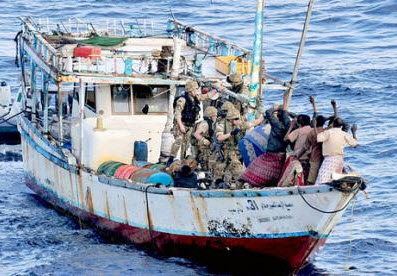
    Royal Marines on counter-piracy operation near Somalia. Photograph by Kyle Heller, UK Ministry of Defence.

    Years of naval counter-piracy operations have so far failed to strategically defeat Somali pirates. The presence of more warships and armed guards on civilian ships have pushed pirates to adapt to the evolving situation.

    It was in this context that, on March 23, 2012, the Council of the European Union decided to extend Operation Atlanta (officially known as EU Naval Force Somalia) to allow military strikes on land. This new mandate represents a substantial step-up in operations and shift in strategy.

    Towards an escalation?

    The decision, which appears to have been a compromise between different European perspectives, allows soldiers to intervene in Somalia but only by helicopter, while no troops will be deployed on the ground. Despite careful limitations, however, the new mandate immediately raised criticism due to the high risks linked to such an aggressive policy. The escalation in the fight against piracy and the intensity of conflict with armed gangs might have unintended consequences, and perhaps revive bitter memories of ‘Black Hawk Down’ in 1993 when two US helicopters were downed by Somali militants.

    The first EU air strike on Somali soil on May 15, 2012 added to these concerns, as pirates threatened to kill the hostages if attacked on land again. Indeed, aggressive military actions carried out along the Somali coasts not only pose risks for EU forces, but could contribute to civilian casualties – as aerial surveillance can hardly make distinctions between fishermen and pirates. If Somali civilians were to suffer, local communities’ support for international actors would diminish and this could end up strengthening pirate gangs.

    A comprehensive strategy

    There is currently no coherent onshore programme to tackle these highly complex issues. Although multilateral cooperation in the Somali waters has resulted in reducing the number of ships hijacked, a counter-piracy military approach without accompanying political strategies could prove counterproductive.

    For example, if piracy were made untenable but no alternatives were provided, it might push locals with few other options towards the Islamist militant group al-Shabaab. Indeed, it has been reported that piracy ransoms partly fund al-Shabaab.

    Addressing Somali piracy in earnest requires shifting from a military-centric strategy towards the implementation of a more comprehensive approach based on wide engagement with local and regional actors. Pirate gangs are embedded in economic, political and social life, and piracy represents a significant source of income for local communities and economic development. Piracy therefore continues to appeal to some from younger generations. Addressing the issue requires policymakers to take into account the presence of those numerous interest groups – some residents, local administrations, insurance companies, contractor firms and so on – in favour of maintaining the status quo.

    Locally-sourced solutions

    Crucially, tackling the roots of piracy will require the engagement of local actors and political reforms in order to guarantee effective governance and regulation. International efforts should therefore help to empower local administrations and authorities, such as in the states of Puntland and Galmudug, two pirate prone areas. In particular, judicial and law enforcement institutions are fundamental to suppressing crime and corruption and ensuring stability.

    The example of the newly-created Puntland Maritime Police Force (PMPF) is emblematic of this. Last May, the Puntland forces conducted successful anti-piracy operations along coastal towns in Bari, Karkaar and Nugal regions of Puntland State, forcing pirates to flee. However, it must also be pointed out that the PMPF, which is also engaged in fisheries protection and humanitarian aid, lacks robust financial assistance. And the same problem exists in neighbouring Galmudug, where international organisations are not sponsoring and supporting local institutions.

    As well as law enforcement, however, it is important that efforts are made to enhance local economic development. Building and developing coastal infrastructures could prove to be a decisive step in involving communities in Somali economic life and creating more legitimate opportunities for residents. There is a need for programmes aimed at creating job opportunities, in particular empowering local fishermen and the fishing industry, and setting rules and authorities regarding Somalia’s waters administration.

    These strategies should be implemented by Somalis themselves and possibly by local NGOs, through a partnership between the international community and Somali authorities.

  • in

    Album Review: KonKoma

    KonKoma’s debut album highlights Ghana’s rich afro-funk history and musical legends.

    By Clyde Macfarlane

    Ghanaians must feel left out when it comes to afrobeat. People often forget that Ghana, rather than Nigeria, is where it all started. This was the place traditional African rhythms first combined with European brass, an essential mould for the sound later popularised by Fela Kuti. It may have been given a different name – ‘highlife’ – but the roots of afrobeat are obvious. Loyal fans of Ghana’s musical history – as can be seen from their past compilations – Soundway Records are now proudly releasing the debut album by contemporary afro-funk outfit KonKoma.

    “KonKoma is the name of a tribe in Northern Ghana”, says lead guitarist Alfred ‘Kari’ Bannerman. “They are very colourful and their rhythms are wonderful. The band is a rebirth of Ghanaian music from the 70s and 80s – it feels very authentic.”

    Both Bannerman and keyboardist Emanuel Rentzos are living relics from that period. Bannerman played regularly with Pat Thomas, acknowledged by Ebo Taylor as one of highlife’s most important singers, while Emmanuel Rentzos exemplifies KonKoma’s American funk connection, boasting collaborations with Bobby Womack, Johnny Nash and Herbie Hancock. The superb funk/highlife instrumental ‘Accra Jump’ is an easy marriage of the two styles, showing a direction the two genres could have pursued if such collaborations had been commonplace back then.

    Perhaps the most valuable Ghanaian characteristic displayed by KonKoma is impeccable timing, reflected in tracks like ‘Sibashaya Woza’ and ‘Kpanlogo’. The drumming in particular stands out as James Brown worthy. Amidst a rich crowd of horns, African and European drums, guitars and keyboards, everyone gets a fair slot. On ‘Handkerchief’, a xylophone-driven backbone is tweaked back and forth from prominence using 21st century sound engineering; guest mixer Mike Pelanconi (aka Prince Fatty), noted for his genre-spanning back catalogue, seems to be on the right wavelength. On the album, building a contemporary group around two legends has proven to be a wining structure, not just for KonKoma but for Ghanaian music as a whole.

    KonKoma is released by Soundway Records.

  • in

    Zambia: King Cobra Disappoints and Confounds

    President Sata’s many promises in 2011 have so far amounted to little but disappointment.

    By Robert Rotberg

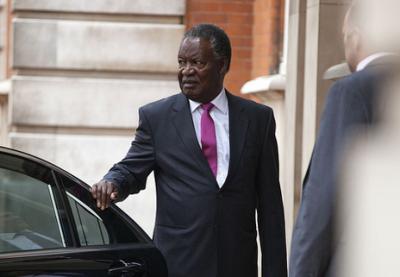
    President Michael Sata at the Commonwealth Heads of Government lunch. Photograph by Gareth Iwan Jones, Commonwealth Secretariat.

    Lusaka, Zambia:

    When President Michael Sata was elected in late 2011 by a clear majority of Zambians fed-up with the 20-year rule of the Movement for Multiparty Democracy (MMD) and thirsty for change, no-one expected him to underwhelm, disappoint, and confound as much as he has.

    Everywhere I travelled in Zambia this month and last – Chipata, Mfuwe, Livingstone, Kalomo, and Lusaka – people from a variety of backgrounds felt disaffected by the president nicknamed King Cobra. “He promised so much,” they said, “and he has not delivered”. They claimed that there are no new jobs, no new houses, and no new opportunities, while the schools, hospitals and clinics remain under-resourced.

    The China question: answering or avoiding?

    Many of the things Sata once stood for appear to be in danger now that he holds the reigns of power. Sata has, for example, significantly reduced his opposition to the role of Chinese business operatives in Zambian industry and commerce. While campaigning for election in 2011, but less vociferously than in 2006 or 2008, Sata promised to “rein-in” the Chinese, especially in the copper mining industry. As highlighted by Human Rights Watch, Chinese state-owned and private firms have been found to discriminate against Zambian miners, operate mines with inferior safety standards, and run enclave “ghetto” compounds that keep Zambians separated from Chinese workers.

    In his campaign for the presidency in 2011, Sata softened his stance considerably, however, and as president has said that he was unaware of the full range of Chinese activities in Zambia, and of just how important China is for Zambian prosperity. Immediately after his election, Sata dispatched high-level envoys to Beijing.

    However, for local Zambians, there are still many unresolved issues with the Chinese. Some market traders resent the fact that unregistered Chinese merchants are sometimes industrious enough to enter the urban trading centres (such as Soweto market in Lusaka) earlier than they do, and without paying the proper fees. They are also accused of undercutting Zambian traders. One elderly Zambian told Think Africa Press that ordinary people resented the Chinese because they were “selfish”, and they feel Sata’s government is doing little about this and is even ignoring the China question completely.

    Corruption, the kwacha and Mugabe

    On the campaign promise of anti-corruption, on the other hand, President Sata’s government insists it is poised to crack down on 20 years of misrule and mismanagement. With regard to keeping his own regime corruption free, however, the president has done little to follow up his promises to pursue allegations against rogue cabinet members. He has so far only proceeded to investigate people already suspected under former President Rupiah Banda’s administration.

    Sata has also been accused of taking a politically-motivated and self-interested approach to anti-corruption. Recently, for example, three senior judges were suspended by Sata for alleged corruption soon after they had participated in a ruling against associates of the president. The High Court subsequently stayed their dismissal, however, and the judges are free to continue working pending an official inquiry as well as a ruling into to whether Sata’s actions were within the limits of his power according to legislation and the constitution.

    Another aspect of President Sata’s term has been his desire to strengthen the Zambian sense of national identity. Sata recently decided to inculcate Zambian pride by artificially attempting to bolster Zambia’s national currency, the kwacha. Overnight it became illegal for anyone to pay Zambians in dollars, pounds sterling, rand, or other foreign currencies. In a swift move, Sata’s regime up-ended the tourist industry by decreeing that all transactions within Zambia would have to be in kwacha, meaning tourists could no longer even pay airport departure taxes in dollars as they could do before.

    Sata told Think Africa Press that this change was essential to “strengthen” the kwacha against other currencies – only with a strong kwacha, he said firmly, could Zambia itself become strong. The president also wants to end payments in dollars for Zambia’s most important export, copper. Sata waved aside explanations of how a strong kwacha could disadvantage Zambian exports, and inconveniences to the tourist industry and mining companies appear not to trouble him. President Sata instead insisted that even a small country like Zambia could afford to emphasise its own currency and thus its national identity. “Kwacha can’t be used in Washington,” he explained “why should dollars be used inside of Zambia?”

    Ordinary Zambians are also puzzled over President Sata’s overt support of President Robert Mugabe’s undemocratic rule in neighbouring Zimbabwe, which has contributed to severe social and economic problems in the country. Many Zambians cannot understand why Sata praises Mugabe publicly at every turn and often visits him.

    President Sata justified his close relationship with Mugabe by explaining that it is easier to influence Zimbabwe by being “constructively engaged” with the president. Mugabe might be more likely to listen to criticism from a friend than a hostile enemy, although there is little evidence this approach has been working so far. President Sata also believes firmly that there is currently no alternative leader for Zimbabwe. There are no contenders, according to Sata, tough and resolute enough. Most of Mugabe’s competitors and potential successors within his own ruling party are “jellyfish”, says Sata, lacking the strength to take over from him.

    Sata’s single-handedness

    Speaking to Think Africa Press, Zambians throughout the country expressed criticism of their new president and his policies. More often though, they were simply bemused and embarrassed by Sata’s unprofessional behaviour. On a state visit to Botswana, for example, the president refused to eat the food served at functions apparently in solidarity with starving masses, while in a meeting with the former US President George W. Bush, Sata reprimanded Bush for being late and called him a “young man” and a “former colonialist”.

    Finally, Zambians said they were unhappy with Sata’s single-handed and single-minded decisions taken with little consultation with voters or even his own parliament.

    President Sata is decisive, not deliberative, and prides himself on not dithering, sometimes to the consternation of close associates and Zambians. He busily signs a stack of official papers at his desk in State House, and then mutters about the inappropriateness of Zambia’s head-of-state continuing to work in a building that once housed Zambia’s colonial governors. Whether Zambia prospers in the months and years ahead may well depend on President Sata’s personality and personal whims more than the governmental structure within which he reigns.

  • in

    Rwanda: The Land of Gender Equality?

    With a female majority in parliament, women at all levels of government and equal literacy rates for boys and girls, Rwanda looks to be a model of equality.

    By Didier Bikorimana

    Vice President of the Cocamu Coffee Cooperative leads a meeting about gender awareness in the agriculture sector. Photograph by UN Women.

    Sitting under the shade of a mango tree, Agnes Uyisabye is reviewing a list of local beneficiaries of the country’s health insurance scheme.

    Uyisabye, 35, is a grassroots leader in the Kansi sector of southern Rwanda. For the last nine years, she has been in charge of social affairs in the local umudugudu (Rwanda’s smallest administrative unit) overseeing its 896 residents spread across 204 households. It is an unpaid role, but Uyisabye does not mind.

    She slides her igitenge, a traditional cloth worn over her clothes, to one side to reveal a mobile telephone in her skirt pocket – used in emergencies to contact hospitals and health centres – and touches her blue and red shirt with pride. On her shirt, in Kinyarwanda, the local language, reads the message: “Uprooting malaria in Rwanda is the responsibility of us all.”

    Uyisabye, a mother-of-four with a primary school education, was elected to her role in 2003, the year Paul Kagame was sworn in as president.

    “I was not surprised when I was elected,” she says, listing female leaders in much higher positions in the country, such as the current health minister Agnes Binagwaho.

    “Our neighbours vote for us as people with integrity. They also vote for us because they need us to serve them. So even if we are not paid, we can’t afford disappointing their trust.

    “As a local leader, I now have more exposure than ever before. I follow the news and I can even speak to you as a journalist, which I would have been afraid of before I became a leader,” she adds, smiling.

    Her husband, Vincent Niyonambaza, 39, says he knows more about government policy thanks to his wife’s role. “When she goes to a meeting, she comes back telling me how important it is for our family to have mosquito nets to fight against malaria, to pay for health insurance and have a garden of vegetables to fight against malnutrition,” he says. “Things have now changed. When my wife goes to the meetings, I look after our children. This is gender equality … this is development.”

    Progress through equality

    Women like Agnes have played an important role in rebuilding and leading Rwanda since the 1994 genocide, from the grassroots up to the highest tiers of parliament.

    The country made history in 2008, when 45 women were elected out of 80 members of parliament. At 56%, this is by far the highest percentage of women MPs in any government in the world. The constitution of Rwanda, adopted in 2003, states that at least 30% of posts in “decision-making organs” must go to women across the country.

    In elections for district and sector council officials last year, women won 43.2% of district and Kigali City advisory posts. Women lead a third of Rwanda’s ministries, including foreign affairs, agriculture and health, and every police office in Rwanda has a “gender desk” to take reports of violence against women, as does the national Army.

    Usta Kaitesi, a teacher of gender and law and vice-dean of post-graduate research in Rwanda University’s Faculty of Law, says political will was lacking in the years up to the genocide even though the country had already signed the 1978 UN Convention prohibiting all discrimination against women.

    “Generally, there was an environment of tolerating discrimination” she says, regarding ethnicity, religion and gender.

    Nowadays, she says, “There is political will to avoid discrimination in Rwanda, and that will gives a legal direction.”

    “Most countries do have good laws, laws that don’t have any form of injustice but the application of such laws is another issue altogether,” she adds. “So in Rwanda there is a political will to empower women and women are quite aware of their role to play in society.”

    The genocide, she says, also played a role in the women empowerment.

    “Many women were left as widows because of the genocide. Others had to work hard in the place of their jailed husbands for allegedly taking part in the genocide. So even young girls got that mentality to perform genuinely to access good jobs, and good jobs means going to school first,” she explains.

    President Kagame credits women’s empowerment for some of the strides Rwanda has made in terms of development. In the last five years, one million Rwandans have emerged from poverty, with poverty rates falling from 56.7% in 2005/6 to 44.9% in 2009/10.

    Women in power

    Alphonsine Mukarugema is head of the Rwanda Women Parliamentary Forum (RWPF). First elected in 2003, she is an MP in the Commission of Politics and Gender.

    “Our great number [of women in parliament] helps a lot with pro-women legislation”, she explains. “We initiated a number of laws, namely to fight against gender-based violence, and made amendments of existing laws that had some injustice in them. So today, girls are able to inherit the property of their parents, including land,” she adds – a rarity in many parts of Africa.

    She continues: “We influence activities in parliament and make sure that the laws being passed are gender-sensitive, and see if the budget looks at both women and men alike.”

    Female leaders in the country’s senior administrative positions are an inspiration for younger generations.

    Just next door to Agnes’ sector is Mukura, in Huye district, where Aimée Carine Kura, 15, and Valentine Kampire, 18, live. Every weekday Carine and Valentine, together with their neighbour, Fabrice Ishimwe, 15, walk three hours there-and-back to reach Regina Pacis Secondary School in the nearby sector of Tumba, a suburb of Butare town.

    As they walk back to Mukura after class in their white and blue school uniforms, the girls reflect on some of Rwanda’s female leaders. “Louise Mushikiwabo [Rwanda’s foreign minister] gives me hope that I can also be in her position in the future,” says Valentine nodding her head emphatically.

    Mushikiwabo has become such an icon that some men change her name when talking about her from Mushikiwabo which means ‘their sister’ in Kinyarwanda, to Mushikiwacu which means ‘our sister’.

    “Today women are treated in just the same way as men and this gives us confidence that we can make things happen as well,” says Carine.

    Unfair equality?

    Not everyone feels so positive about Rwanda’s gender balance, however. Carine and Valentine’s neighbour Fabrice says he has lost out due to positive discrimination in favour of women. He claims that girls with lower national examination results than him attained places at prestigious state boarding schools over him because the schools needed to fill gender-based quotas.

    “I get sad when I see girls who scored lower grades than me or even the same as me now studying in boarding schools whereas I am not,” he says.

    Some girls themselves say they do not need this positive discrimination anymore and that it is embarrassing to them now that they feel confident enough to compete with their male counterparts on an equal footing.

    Certainly in terms of enrolment in schools, girls and boys are more or less on a par, unlike in most of Africa where there are typically much lower numbers of girls in class than boys and therefore lower literacy levels among women.

    In Rwanda, 77% of all 15-to-24-year-olds – irrespective of gender – can read and write as of 2005-2010, according to UNICEF. Primary school enrolment is in fact slightly higher for girls – 97% compared with 95% for boys, as is attendance at 87% and 84%.

    These figures drop off in secondary school and university, however, and not because girls lack intelligence or desire, according to the Rwanda Association of University Women, but because of household responsibilities. Rwanda has ensured equal access, say campaigners, but ensuring equal opportunity will still take time and effort.

    Women as the future

    Nevertheless, the confidence that girls like Carine and Valentine have cannot be overstated.

    “Before, girls were not a priority for education and women could not own property,” says Berra Kabarungi, Country Director for the international charity Women For Women,

    “There was a culture that did not allow women to speak in public. It was considered arrogant, not humble or disrespectful. Women feared to speak in public because it was shameful. Now it is normal for women to speak in meetings, for women even to be leaders in meetings. Men no longer look at them with a critical or ridiculing eye.”

    She argues that the constitution “opened the door for women to speak and for educated women to educate other women”. Today, she claims “women have the power to participate in leadership, to own property, to get loans in banks, to claim property from their parents. Before the constitution this was not possible. It also opened the door for organisations like Women For Women to teach women about their rights and about domestic violence.”

    Irena Mukansoneye lives a stone’s throw from Carine, Valentine and Fabrice. As I asked for her birth date, she gave me estimates, pointing to the time of one of the kings of the traditional Rwanda, King Rudahigwa. It was only when I see her ID card that I see she is 78 years old.

    “In our time, girls were disfavoured and boys were given more value. Most parents regarded girls as people who could benefit their husbands, not their parents,” Irena recalls, leaning on a walking stick for support. “But today laws have come, and girls go to school in as great numbers as boys,” Irena continues. “I see this as development,” she concludes.

    This feature was produced by Panos London.

  • in

    The Ingabire Trial: Rwanda’s Contempt of Court?

    Opposition activist Ingabire has been denied a fair trial by expedient judges, improperly gathered evidence and a disregard for procedural justice.

    By Zach Warner

    The trial of Victoire Ingabire getting underway in the Kigali Supreme Court. Photograph by Graham Holliday.

    Since her arrest in October 2010, the trial of Rwandan opposition figure Victoire Ingabire has been followed intently. Eighteen months into the proceedings, Ingabire is now awaiting a verdict on six counts relating to terrorism and genocide denial, and her case has come to symbolise the ongoing struggle over the legacy of the genocide and the future of judicial independence in Rwanda.

    The partisan national press was declaring Ingabire a ‘divisionist’ even before the arrest, while international observers have been keen to expose the trial as a sham. But without direct access to documents presented to the court, this is not the place to assess Ingabire’s guilt or innocence. What we can assess here, however, are the judicial processes that govern the case and that will decide Ingabire’s fate. And examining these suggests that the prosecution has virtually guaranteed that regardless of whether an acquittal or a conviction is handed down, justice will have been denied to the defendant.

    The case background

    Ingabire, chair of the diaspora opposition group The United Democratic Forces (FDU-Inkingi), had been living in the Netherlands from 1993 until January 2010 when she returned to Rwanda to contest the national elections the following August.

    Ingabire was first placed under house arrest in April, three months after giving a speech at the Kigali Genocide Memorial Centre in which she questioned why Hutu victims of the genocide were forgotten while also insisting on the need for national reconciliation and justice for the many Tutsi who were murdered. She was eventually released on conditional bail and repeatedly interrogated over the summer. Meanwhile, the FDU’s petition for official status as a political party was rejected, effectively excluding the group from the polls.

    Ingabire’s re-arrest in October was on suspicion of “threatening national security and public order” and of “buying and distributing arms and ammunitions to the terrorist organisation” the Democratic Forces for the Liberation of Rwanda (FDLR), a rebel group operating out of Burundi and the Democratic Republic of the Congo. Also implicated in this “plot to destabilise the country” was Paul Rusesabagina, the manager of Mille Collines Hotel, whose heroic protection of refugees during the 1994 genocide were depicted in the film Hotel Rwanda.

    In the end, the state decided to charge Ingabire alongside alleged co-conspirators Colonel Tharcisse Nditurende, Lieutenant Colonel Noel Habiyaremye, Lieutenant Jean Marie Vianney Karuta and Major Vital Uwumuremyi. As the hearings began in Kigali High Court, further charges were added relating to “genocide ideology” and “divisionism”.

    “Fruit of the poisonous tree”

    The first set of procedural troubles in the trial relate to the procurement and application of the prosecution’s evidence. Before Ingabire’s case began, her alleged co-conspirators appeared in court for a string of pre-trial confessions. All four pleaded guilty and asked for clemency.

    Yet despite Prosecutor General Martin Ngoga’s claim that “there is not a single allegation they are making against her that is not supported with documentary evidence”, the facts of the case rely to an extraordinary extent on their respective stories.

    Uwumuremyi’s testimony is of particular importance to the prosecution. He alone “explained” the “coded language” of the emails he allegedly exchanged with Ingabire, as well as the Western Union money transfers of $7,000 that (he claimed) she sent for the purchase of weapons. Thus, without the guilty plea of a confessed rebel politician, the phone records and money transfers do little to condemn Ingabire.

    Moreover, at least two of the co-conspirators were produced for the trial through irregular means: namely, being arrested in Burundi, involuntarily repatriated, and incarcerated for seven months in extrajudicial detention. During this time, they were denied access to counsel and family, and subjected to frequent interrogations by Rwandan intelligence services. And the prosecution does not deny this story: queried about the matter, Prosecutor General Ngoga simply replied, “those are arguments meant to avoid [the] real substance of the case”.

    In addition to the difficulties of producing evidence, the prosecution also seems to have ignored the rules governing its use. Most notably, papers collected at Ingabire’s home in the Netherlands were released to the Rwandan government by the Dutch Foreign Ministry after a protracted legal battle, and only with the guarantee that the 600-page portfolio would be used to prosecute the charge of terrorism.

    Yet it is unclear to what extent this evidentiary dividing wall has been maintained; prosecutors, for example, claim that the Dutch documents prove involvement in the FDLR and therefore conspiracy against the government. Formal use of the files to prove these charges would be flatly illegal, but even informal consideration (for instance, influencing the court’s opinion of her character) is clearly prejudicial.

    Making things difficult

    The second dimension of procedural injustice follows the general means by which the state has allegedly impeded Ingabire’s defence. Such problems appeared from the start: in the days following her re-arrest, FDU officials claimed that Ingabire was forced to wear handcuffs while in detention for at least two days without respite, a charge denied vehemently by the police.

    Outside the courtroom, biased coverage of Ingabire’s trial signals the breakdown of judicial independence, especially in the pages of government-aligned dailies that dominate the national press. In one case, President Paul Kagame explicitly asserted Ingabire’s guilt. More directly, officially-sanctioned reporting often borders on defamation. Throughout her trial, media outlets have compared her to Osama bin Laden, Hamas, and the Nazis – the presumption of innocence notwithstanding.

    Furthermore, the state has reportedly applied extra-constitutional pressure on Ingabire and her defence. Not only was Ingabire allegedly denied access to her legal team and FDU colleagues, but when she was allowed to see them, it was (party officials claimed) under prosecution surveillance. Her Rwandan defence lawyer, Gatera Gashabana, also reported that the state had failed to provide Ingabire’s team with all of the prosecution’s evidence, hindering adequate preparation of her defence.

    This April, the defence also claimed intimidation of a key witness. Testifying that state intelligence services had manufactured Uwumuremyi’s story, Colonel Michel Habimana was allegedly improperly interrogated by police under the direction of the Prosecutor General. Already serving life in prison, Habimana was subjected to a cell search and had important documents relating to the case seized. Whilst prosecutors maintained that this transpired within the bounds of the law, they gave no reason for the intrusion.

    “Fitting” the law

    Most troubling, however, is the third category of procedural faults which contravene both Rwandan and international law. Such problems first arose in May 2011, when Ingabire asked for and was granted a postponement.

    As a British lawyer (alongside Gashabana) was leading her defence team, Ingabire was granted one additional month to translate the 2,500 documents delivered by the prosecution from Kinyarwanda into English. The presiding judge refused the request of four months for further study, claiming it would unfairly delay the trial of the her co-accused. But Ingabire and her alleged conspirators face charges deserving of separate trials.

    Firstly, the defendants were apprehended entirely independently of one another. Secondly, while the men are FDLR commanders accused of physical violence, Ingabire is a politician charged with only economically and rhetorically supporting their military campaigns. Thus, while falling under the broad aegis of ‘terrorism’, their alleged crimes are fundamentally different.

    The government implicitly recognised this when it divided the six charges against Ingabire into two blocs, trying her for three of the charges (divisionism, genocide ideology, and inciting revolt) as an individual – but then extra-legally swapping evidence between the two sets of crimes. Collaborators’ testimony on monetary transactions, for example, has been smuggled into an entirely separate case on Ingabire’s alleged ‘divisionism’. And the possibility of having separate trials has been denied despite substantial objections against linking the cases.

    In other instances, the prosecution has openly manipulated the law. During pre-trial formalities in September, Ingabire’s defence lodged two motions. The first was against the territorial jurisdiction of the High Court for acts allegedly committed while Ingabire was resident in the Netherlands – this contention was dismissed the following week.

    Justice Rutazana decided that the relevant statute should be interpreted to grant the High Court jurisdiction over any crime, irrespective of where it was committed, as long as the offence in question constitutes an international crime such as terrorism or genocide denial. Though the law is radically out of sync with international standards for ‘universal jurisdiction’, Rutazana appears here to have followed the letter of the statute.

    Troubles emerged, however, in the dismissal of the defence’s second motion – the contention that Ingabire’s prosecution under the 2008 ‘genocide ideology’ law amounted to retrospective application. All evidence provided dated from before 2007. For instance, a book published in 2000 (to which Ingabire was connected) motivated the prosecution’s charges of divisionism and incitement to revolt, while statements she made in July and October of the same year formed the basis on which the genocide ideology charge was levied.

    Ingabire asked for all such documentation relating to events before the law’s enactment be removed from her file, which the judge denied. The legal basis of Rutazana’s decision was flimsy: the case had simply gone too far to grant the request, he explained. At the time of this dismissal, the trial had not yet officially begun.

    Finally, this April, the court rejected Ingabire’s petition for a partial suspension of the trial pending the ongoing revision of the ‘genocide ideology’ law. Justifying this move, the Supreme Court cited her failure to attach a copy of the statute. The case that could potentially imprison a leading opposition figure for life thus proceeded on the grounds that she had neglected to paperclip to the file a copy of a law to which, in any case, the justices have easy access.

    Method matters

    Ingabire may well be guilty of some, if not all, the charges levied against her. It is possible that she directed FDU monies to the FDLR for the purpose of inciting violence against the state. It is also possible that she supports ‘divisionism’ and ‘genocide ideology’ as defined by Rwandan statute. Although her guilt appears unlikely to this author, it is a challenge that can at least be countenanced in Rwanda’s courts.

    This legal battle, however, is constrained by a bevy of laws guaranteeing Ingabire a fair hearing. Article 19 of the Constitution provides, inter alia, that “every person accused of a crime shall be presumed innocent until his or her guilt has been conclusively proved in accordance with the law in a public and fair hearing”.

    Additionally, Rwanda affirms its commitment to enforcing numerous international agreements such as the African (Banjul) Charter of Human and Peoples’ Rights of 27 June 1981, which contains extensive provisions for due process.

    It is clear from the foregoing analysis that none of these appear to have exerted any influence over the prosecution of this case. Evidence has been gathered and deployed improperly. Strong-arm tactics have repeatedly hindered Ingabire’s defence, while a government-controlled media has gleefully convicted her in the court of public opinion.

    Most worryingly, however is that the presiding judges have adopted legal interpretations according to expedience in a number of instances. Substantial challenges to the prosecution of Ingabire’s case have been allowed to lapse, and the numerous safeguards for procedural justice have been violated in principle if not in statute.

    Awaiting a verdict

    Ingabire’s verdict is slated for June 29. As she is now boycotting the trial entirely, she seems likely to receive life in prison. Looking beyond this case, however, such violations of due process may lead the international community to row back on cooperation with the Rwandan judiciary. This is of growing concern for Western policymakers.

    Prior to Ingabire’s trial, there had been numerous indications of growing trust in Rwanda’s legal system. In January, Canada deported Leon Mugesera, allegedly one of the genocide’s masterminds, for trial. The same month, the United States turned over Jean-Marie Vianney Mudahinyuka, reportedly a former interahamwe leader. Furthermore, April saw the first-ever transfer from the International Criminal Tribunal for Rwanda (ICTR) to the national courts, in the case of genocide suspect Jean Bosco Uwinkindi. As long as the West continues to willingly transfer such suspects to Rwanda, it will be complicit in gross miscarriages of justice.

    Rwandans are correct to assert the right of trying genocide suspects at home, and it is incontestable that justice depends on those responsible – particularly such unsavoury characters as Mugesera – being held to account. But even those most guilty of atrocities should receive fair trials. Procedural justice must be pursued with equal vigour as the outcomes of justice are currently.

    Rwanda must ask herself whether commitments to individual human rights are worth sacrificing in support of Rwandan sovereignty and communal justice.

Load More
Congratulations. You've reached the end of the internet.
Back to Top